
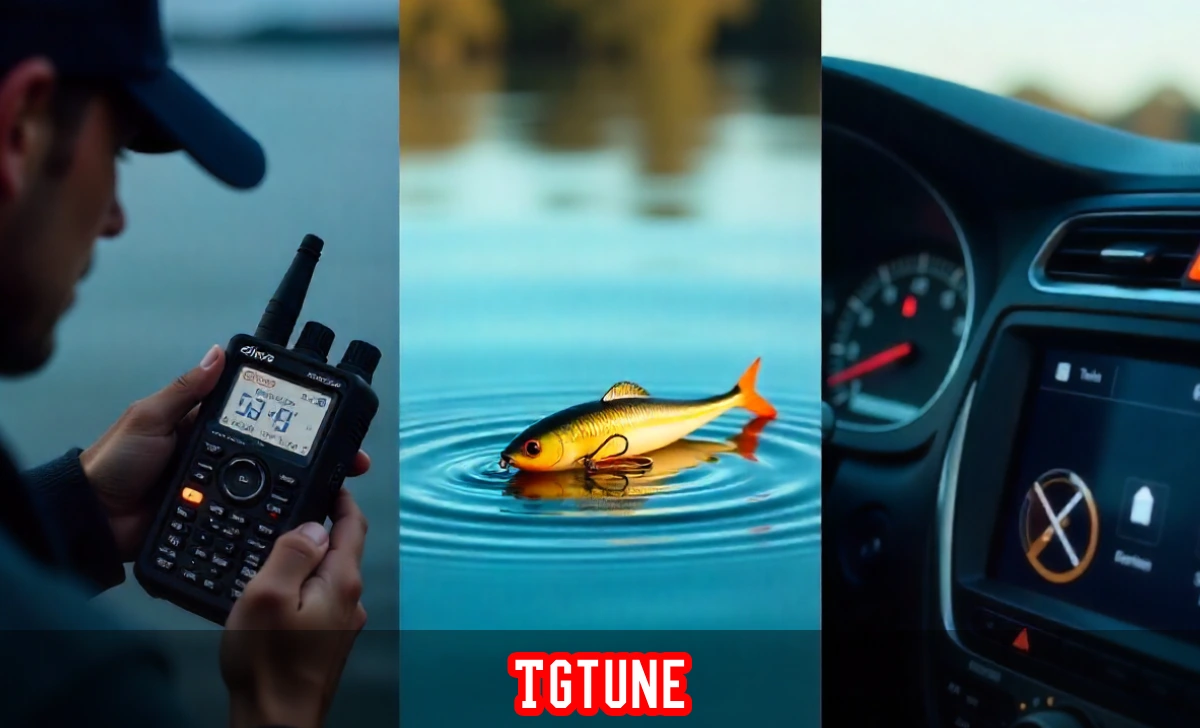
You searched for “Tgtune” and landed in a confusing maze of unrelated information. Amateur radio discussions, fishing lures, and questionable software claims all use this exact term. That confusion ends here.
This guide clarifies what Tgtune actually means across three completely different industries. You’ll learn which definition applies to your situation, how to use the legitimate versions, and which claims to avoid. Whether you’re configuring radio equipment, shopping for fishing gear, or researching performance software, you’ll know exactly what you’re dealing with.
Contents
What Is Tgtune?
Tgtune has three distinct meanings: (1) TalkGroup Tune—a script for amateur radio operators to switch communication channels via keypad commands on AllStarLink systems, (2) tungsten weight technology in Daiwa’s Slippery Dog fishing lure that improves casting and hook-up rates, and (3) unverified car tuning software claims lacking credible evidence. Your context determines which applies.
TalkGroup Tune for Amateur Radio Operators
In ham radio networks, TG Tune stands for TalkGroup Tune. This custom script runs on Asterisk-based platforms like AllStarLink and DVSwitch, allowing operators to change radio talkgroups instantly without manual configuration edits.
Traditional talkgroup switching forces you to edit your extensions.conf file and restart your entire system. For mobile operators managing multiple networks, that process creates unnecessary downtime and safety risks. TG Tune eliminates this friction by letting you dial a DTMF sequence directly from your radio keypad.
The script adds a dedicated context to your Asterisk configuration. When you enter a command like *091 followed by your target talkgroup number, the system confirms the switch audibly and executes it within seconds. No file editing. No system restarts. Just immediate network changes.
Real-World Applications for Radio Operators
Mobile operators benefit most from TG Tune functionality. You can switch between networks while driving without pulling over or accessing configuration files remotely. This keeps communications flowing during critical moments.
Emergency communication nets use TG Tune during drills and actual activations. Coordinators direct operators to different talkgroups as priorities shift throughout an incident. Shared repeater systems gain flexibility, giving users more autonomy without requiring constant administrator intervention.
DMR hotspots and repeaters particularly benefit from this capability. Digital voice modes bridge with analog systems, requiring fine control over talkgroup routing. TG Tune makes these complex transitions manageable through simple keypad commands.
Setting Up TG Tune: Step-by-Step Process
Configuration requires basic familiarity with Asterisk. Start by opening your extensions.conf file and adding a [tgtune] context. This section defines which DTMF sequences trigger specific talkgroup switches.
Your context should include verification logic that checks whether the dialed number represents a valid talkgroup. After confirming validity, the system executes the switch command. Add voice prompts that confirm successful switches—operators need feedback to know their commands executed correctly.
Test thoroughly before deploying to production. Dial your assigned sequence from your radio and verify the system switches to the correct talkgroup. Try multiple switches to ensure reliability. One syntax error can crash your entire system or lock users out completely.
Security Considerations You Cannot Ignore
Unrestricted TG Tune access creates vulnerabilities. Anyone with your command sequence can switch to any talkgroup, including restricted or sensitive networks. Implement access controls using MAC address filtering or password protection before deployment.
Add confirmation prompts before switches execute. This prevents accidental changes during critical communications. Consider node-specific limitations that restrict which talkgroups specific users can access. Document your security measures clearly for troubleshooting later.
Network administrators should audit TG Tune usage regularly. Log all talkgroup switches with timestamps and user identifiers. This creates accountability and helps identify unauthorized access attempts or configuration issues.
Daiwa Slippery Dog TG Tune Fishing Lure
For anglers, TG Tune refers to tungsten weight technology in Daiwa’s Slippery Dog topwater lure. This product launched in late 2020 and quickly gained recognition for improved casting performance and higher hook-up rates.
The TG designation stands for tungsten. This metal weighs 1.7 times more than traditional lead, allowing Daiwa to use smaller weights that achieve identical casting distances. The reduced weight size creates interior space for rattles and realistic body shapes while improving lure action.
The lure comes in two sizes: 65mm, weighing 3.8 gram,s and 80,mm weighing 6.5 grams. Both versions feature two small plastic rattle beads in the head that mimic the clicking sound of fleeing prawns. This audible element triggers predatory responses from bream, whiting, and flathead.
Why Tungsten Changes Lure Performance
Tungsten weight placement causes the Slippery Dog to sit more vertically when at rest. This vertical posture dangles the stinger hooks deeper in the water column, positioning them perfectly for fish striking from below. Combined with the prawn-imitating rattles, the design creates a compelling target.
Tungsten also improves sensitivity through your rod. When working the lure or letting it pause, you feel subtle vibrations better than with heavier lead-weighted alternatives. This feedback helps you understand what’s happening underwater—whether you’re ticking structure, getting follows, or experiencing light bites.
Environmental regulations increasingly favor tungsten over lead. Many fisheries now restrict or ban lead tackle entirely due to toxicity concerns in aquatic ecosystems. Tungsten lures comply with these regulations while delivering superior performance characteristics.
Walk-the-Dog Technique for Best Results
Cast as far as possible and let the lure settle briefly after landing. Work it with short, sharp rod tip twitches while reeling slowly. The lure zig-zags across the surface, creating splashes and wakes that draw predatory fish from a distance.
Watch for swirls or boils indicating interested fish. Adjust your retrieve based on their behavior—sometimes slower, subtle movements work better, while other situations demand fast, erratic patterns. Pause frequently to let the vertical presentation do its work.
Dawn and dusk feeding periods produce the best results in estuary environments. The vertical orientation and prawn-mimicking action prove especially effective in shallow water where baitfish and crustaceans concentrate. The 80mm version excels when fish are feeding aggressively or when maximum casting distance matters.
Buying Guide: Choosing the Right Model
Verify you’re purchasing the tungsten-weighted TG Tune version rather than standard Slippery Dog models. Check product descriptions carefully—the tungsten designation is crucial for the performance benefits described above.
The 65mm size works well in clear water or when targeting spooky fish. The smaller profile doesn’t seem to deter strikes from larger species. The 80mm version provides extra casting distance and a more substantial profile during aggressive feeding periods.
Each lure comes equipped with BKK Striker Assist hooks on the rear eyelet. These free-swinging hooks sit below the lure when paused, improving hook-up rates significantly. Many anglers credit this feature with landing more fish, particularly whiting.
The Car Tuning Software Claim: What’s Really Going On
Several websites claim Tgtune is car tuning software that modifies engine performance, improves fuel efficiency, and enhances handling. These claims lack supporting evidence from credible automotive sources.
No major ECU tuning platforms list a product called Tgtune. Automotive forums and technical communities don’t reference it in their discussions. The absence of verified users, dyno results, or technical documentation raises significant red flags.
Real car tuning software comes from established brands like HP Tuners, AutoTuner, TunerPro, and SCT Flash. These platforms connect to vehicle ECUs through OBD-II ports, require vehicle-specific calibration files, and include comprehensive documentation. They have active user communities, demonstration videos, and technical support channels.
How to Identify Legitimate Tuning Software
Websites making TGTune car tuning claims often display characteristics of low-quality content generation. Descriptions remain generic and could apply to any tuning software. Specific technical details are absent. No user reviews from verified purchasers exist. Product screenshots look fabricated or are missing entirely.
The automotive tuning community operates transparently about what works and what doesn’t. Forums like NASIOC, VWVortex, and platform-specific communities quickly identify legitimate tools versus marketing fabrications. Before spending money or risking your vehicle, verify claims through multiple independent sources with actual user experiences.
Your engine’s reliability and safety depend on tested software from reputable developers. Unverified products making bold performance claims without proof deserve immediate skepticism. ECU modifications can cause permanent damage, void warranties, or create unsafe driving conditions.
Choosing the Right Tgtune for Your Needs
Understanding which Tgtune you need comes down to context recognition. If you’re configuring amateur radio equipment, focus on implementing the TalkGroup Tune script in your Asterisk-based system. The AllStarLink community forums provide detailed setup instructions, troubleshooting guides, and configuration examples from experienced operators.
For anglers shopping for topwater lures, look for the Daiwa Slippery Dog TG Tune at tackle retailers or directly from Daiwa dealers. Read reviews from actual anglers with photos and catch reports to verify performance claims match your fishing conditions.
If you encountered Tgtune while researching car tuning software, redirect your attention to established platforms with verifiable credentials. Ask for recommendations in automotive forums specific to your vehicle make and model. Experienced tuners can point you toward reliable software that actually delivers results without risking engine damage.
Common Mistakes to Avoid
Radio operators often skip thorough testing before deploying TG Tune to production systems. Incomplete context definitions can crash your Asterisk system or lock users out of talkgroup switching entirely. Always test in a controlled environment with backup configurations ready.
Documentation failures create problems months after implementation. Write down your command sequences, talkgroup numbers, and context logic clearly. When issues arise later, proper documentation prevents hours of rediscovering your own setup through trial and error.
Anglers sometimes confuse the TG Tune model with standard Slippery Dog versions. The tungsten weight system is the defining feature—verify product specifications before purchasing. The performance difference justifies the slightly higher price point, especially in environments where casting distance and vertical presentation matter.
For anyone tempted by unverified car tuning software claims, the biggest mistake is proceeding without proof. Demand evidence before trusting any tuning product with your engine’s future. The absence of user communities, technical documentation, or verifiable results should immediately end your consideration.
Frequently Asked Questions
What does TG Tune stand for in amateur radio?
TG Tune stands for TalkGroup Tune—a script that lets operators switch radio talkgroups using DTMF keypad commands without editing configuration files or restarting systems.
How does tungsten improve the Daiwa Slippery Dog lure?
Tungsten weighs 1.7 times more than lead, allowing smaller weights that achieve the same casting distance. This causes vertical positioning at rest, dangling hooks deeper for better hook-up rates when fish strike from below.
Is Tgtune legitimate car tuning software?
No credible evidence supports Tgtune car tuning software claims. Major ECU platforms don’t list it, automotive forums don’t reference it, and no verified users or technical documentation exist.
What species respond best to the Slippery Dog TG Tune?
Bream, whiting, and flathead respond well, particularly during dawn and dusk feeding periods in estuaries. The walk-the-dog retrieve pattern with the prawn-imitating action triggers aggressive strikes.
What do I need to set up TG Tune for AllStarLink?
You need an AllStarLink or DVSwitch system running Asterisk, basic knowledge of configuration files, and access to edit extensions.conf. After setup, test thoroughly before production deployment.
Final Thoughts
Tgtune means something specific in each community where it appears. For amateur radio operators, it’s a practical script that streamlines talkgroup management in AllStarLink systems. For anglers, it represents tungsten weight technology that improves topwater lure performance. Claims about car tuning software lack credible backing and should be approached with extreme caution.
Your next steps depend on which meaning applies to your situation. Radio operators should explore AllStarLink community resources for implementation guides. Anglers can research the Daiwa Slippery Dog TG Tune through tackle shops and verified fishing forums. Anyone researching car tuning should focus on established platforms with proven track records.
Context prevents wasted time and poor decisions. Now that you understand what Tgtune actually means in different fields, you can pursue the information or products relevant to your specific needs with complete confidence.